Editorial: Optimization and Inventory Management
If there is one persistently frustrating aspect of cutting plastic sheets, it is figuring out what to do with the 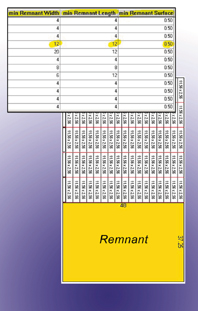 remnants. How do you decide what remnant size is worth keeping? How do you organize your remnant inventory? How in the world are you going to find these pieces again when you need them?
In the struggle to answer these questions another important aspect of many cutting operations is often ignored: optimization. Saving and logging remnant pieces is a great way to improve your bottom line, but it is a “post process” method of increasing efficiency and only works if the remnants can be properly logged and recovered when needed.
Optimization increases efficiency before the first sheet is even cut. In its most basic form, an optimizer calculates how to maximize material yield based on your raw material sizes and your cut list parts. Most modern optimizers also take advantage of machine parameters such as stack (or book) height and can link to computerized CNC equipment. Some can be set to optimize factors besides material yield, such as material cost, machine operating time and labor costs.
So which aspect deserves more focus? Using an optimizer in its yield mode increases yield and reduces the number of remnants. That means the remnants do not pile up as quickly and there is more time to effectively manage a smaller scrap inventory, something the optimizer can help you with as well.
Click here to read the full Article in PD&F magazine

